


What is a Home Inventory, and Why Should I Do One Now?
September 12, 2025
Imagine this: a pipe bursts in your upstairs bathroom while you’re away for the weekend. By the time you return, the damage is extensive: flooring ruined, furniture soaked, electronics destroyed. In the chaos of filing an insurance claim, your adjuster asks for a list of everything you lost. Could you remember every single item in your home, along with its value, without looking?
That’s where a home inventory comes in. At ACNB Insurance Services, we’ve seen how a thorough inventory can turn a stressful claims process into a manageable one, ensuring you get the compensation you deserve. In this article, we’ll cover what a home inventory is, what to include, why it’s important, how often to update it, and the best ways to store it.
What is a Home Inventory for Insurance?
A home inventory is a detailed record of the personal belongings in your home. It usually includes descriptions, values, purchase dates, serial numbers (if applicable), and photos or videos of your items. Some homeowners keep it in a spreadsheet or a notebook, while others use apps or cloud-based tools.
The goal is simple: create a documented reference of what you own so you can prove ownership and value if you need to file an insurance claim. Without it, you might have to rely on memory, in a stressful, emotional situation, leading to overlooked or missed items and potentially lower claim payouts.
At ACNB Insurance Services, we often help clients start or update their home inventories. We believe an inventory is one of the smartest investments you can make in protecting your assets.
What Should You Include in Your Home Inventory for Insurance?
Your home inventory should be as complete as possible. The more detail you include, the more valuable the document becomes. Here are the essentials:
- Item Details: Include the item’s name, description, make, model, serial number, purchase date, purchase price, and estimated current value.
- Visual Documentation: Take photos or videos of each item, ideally in its location in your home. A video walkthrough of each room can be particularly effective.
- Receipts and Appraisals: Store digital or physical copies of receipts for big-ticket items. For jewelry, art, collectibles, or antiques, include appraisals if available.
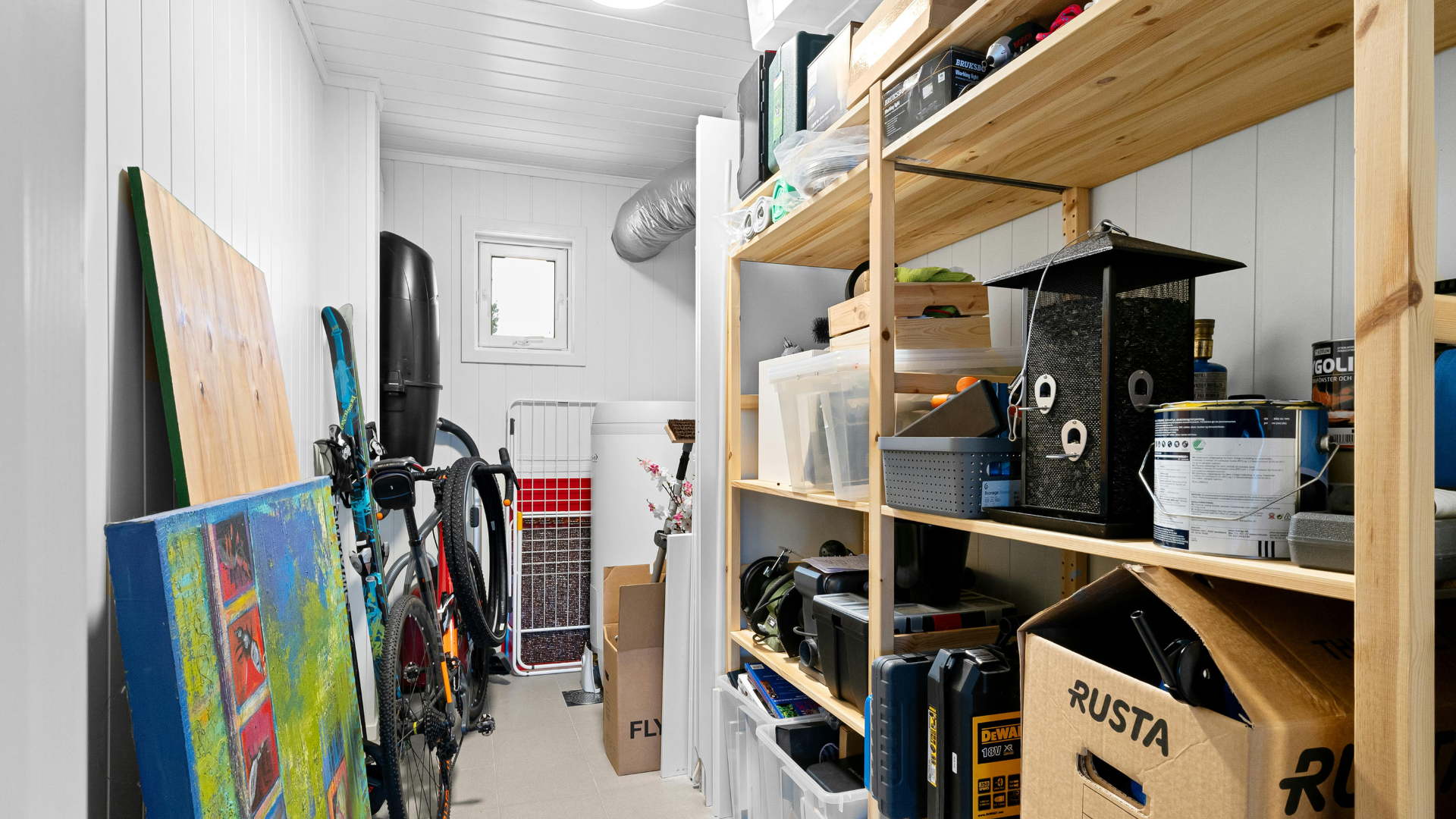
- Hidden or Overlooked Items: Don’t forget the garage, attic, closets, dresser drawers, storage units, sheds, and outdoor equipment. Many homeowners overlook these spaces when creating inventories.
When documenting, think beyond just “stuff.” Include:
- Furniture and appliances
- Clothing and footwear collections
- Kitchenware and small appliances
- Electronics and entertainment systems
- Tools and hobby equipment
- Musical instruments
- Sports equipment and bicycles
- Holiday decorations and seasonal items
You can use paper, spreadsheets, or specialized home inventory apps. ACNB Insurance Services often recommends digital formats for ease of updating and secure storage.
Why is a Home Inventory Important?
Speeds Up and Simplifies Claims
After a loss, emotions run high, and science shows that under stress, the human brain does not perform at its peak. An inventory allows you to file a claim quickly and accurately, reducing delays and frustration. It also ensures you don’t forget anything.
Proves Ownership and Value
Your inventory is your evidence—especially for high-value or unique items. Without proof, it can be harder to receive full replacement value.
Helps Set Proper Coverage
When you work with ACNB Insurance Services, your home inventory can be used to review your coverage limits. Many homeowners find they’re either underinsured (risking out-of-pocket expenses) or overinsured (paying for more coverage than they need).
Supports Tax, Aid, and Estate Planning
In some cases, your inventory can help when applying for disaster relief, claiming losses on your taxes, or dividing property for estate purposes.
Provides Peace of Mind
Knowing you have a record of your possessions offers a layer of security. It’s a resource you hope you’ll never need—but will be invaluable if you do.
How Often Should I Do a Home Inventory?
At Least Annually: We recommend updating your home inventory at least once a year. A quick review ensures your list stays accurate as your belongings change.
Whenever Significant Changes Occur: Don’t wait until your annual review if you:
- Purchase new electronics, appliances, or furniture
- Receive valuable gifts
- Renovate your home
- Move to a new residence
Pro Tips: Some people schedule updates seasonally, using the change in weather as a reminder. Others use apps that allow them to update in real time—snapping a photo and adding it to their inventory the moment they bring something home.
Where Should I Keep My Home Inventory?
Your home inventory is only useful if you can access it when you need it. ACNB Insurance Services recommends:
- Offsite or Cloud Storage: Keep a digital copy in cloud storage like Google Drive or Dropbox so you can access it from anywhere.
- Physical Safe or Safe Deposit Box: Store printed copies or USB drives in a fireproof, waterproof safe, or at your bank.
- With Your Insurance Documents: Keep your inventory alongside your policy paperwork so everything is in one place.
- Use a Secure App: Some insurers and organizations offer apps that make storage, updates, and retrieval seamless.
The key is redundancy—keep multiple copies in different locations to ensure your inventory survives whatever disaster you’re protecting against.
Final Thoughts from ACNB Insurance Services
A home inventory may not be the most exciting task on your to-do list, but it’s one of the most valuable. It’s a safety net that ensures your insurance coverage works exactly as it should—fast, fair, and stress-free in a time of loss.
At ACNB Insurance Services, we help our clients protect what matters most, and a home inventory is a crucial part of that process. If you need guidance on creating one, or want a professional review of your coverage based on your current belongings, we’re here to help.
Don’t wait for a loss to make you wish you had started sooner—start your home inventory today and give yourself peace of mind for the future.